
The Leadership Lesson Keir Starmer Never Learned.

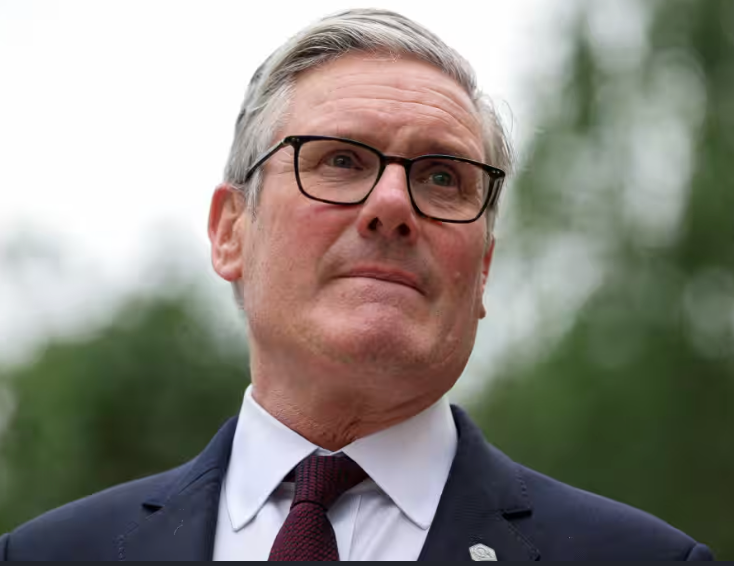
There is a quiet but devastating truth sitting at the heart of Sir Keir Starmer's political collapse: he was not a bad man, and in many respects, he was not even a bad Prime Minister. But today, great leadership demands a big vision and great communication. And Starmer and his team never got that right and paid the ultimate price.
Starmer is regarded even by his opponents as a decent man, hardworking and courteous, and yet he became the most disliked British PM since modern political polling began. The tragedy is not that he failed to act, but that he failed to make anyone care about what he was doing. His achievements were real. His ability to translate them into anything resembling hope, momentum, or human connection was virtually non-existent.
The numbers are stark, and they tell a story not just of policy failure but of something deeper. A fundamental breakdown between a leader and the people he was supposed to inspire. A year into the job, net satisfaction with Starmer had plummeted to minus 66, the lowest satisfaction rating recorded by Ipsos for any Prime Minister going back to 1977.
By early 2026, roughly two-thirds of people believed the Labour party was out of touch, unclear of what they stood for, weak, and untrustworthy. These are not figures born purely from economic hardship or political scandal. They are the numbers of a public that simply stopped listening, because nobody ever gave them a reason to lean in. Starmer disappointed too many, and persuaded too few. If he had a vision for the country, no one seemed to know what it was - and a leader without a vision rarely brings people along on the journey.
What the public craved and what Starmer never delivered was not perfection. It was authenticity. People today are acutely attuned to the forced and the false. They can sense when a smile is rehearsed, when warmth is manufactured, when words have been focus-grouped into meaninglessness. Analysts noted that Starmer's leadership style: cautious, procedural, and understated appeared indecisive at moments of crisis, and the perception grew that the government's message had lost all clarity and conviction.
He was described as a poor communicator who lacked a vision to inspire either his MPs or the public. There is something almost paradoxical about a man of evident intelligence and genuine public service instincts being so unable to project those qualities onto the people he was meant to lead.
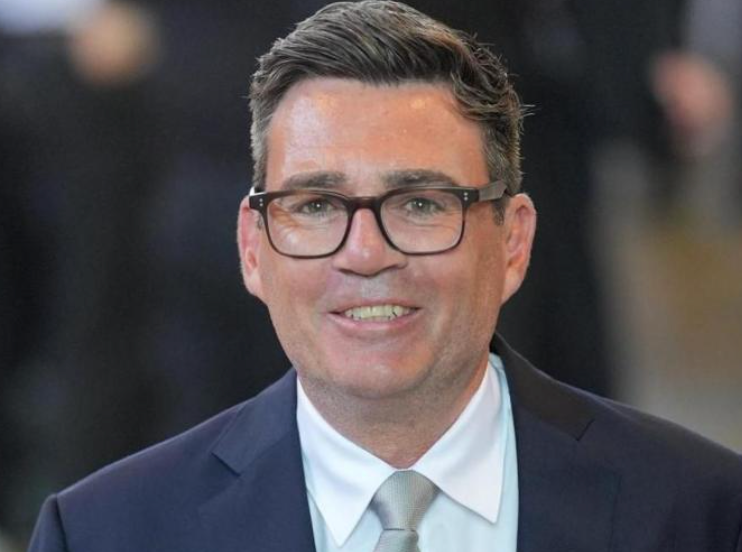
Into this vacuum steps Andy Burnham and the contrast could hardly be more striking. He has been described as the only major politician in the country who enjoys positive favourability ratings. That is not an accident of spin or good media management. It reflects something harder to manufacture: genuine warmth, evident curiosity, and a way of engaging with people that feels unscripted and real.
Many Labour members hope that Burnham's people skills and charisma can connect with the public in a way the stolid, managerial Starmer never could. Gosh...he smiles because he means it! He listens because he is actually interested.
He has spent nearly a decade as Mayor of Greater Manchester not in the corridors of Westminster, but out in communities, solving tangible problems, building something people could see and feel. That groundedness is not a communications strategy. It is character. And character, it turns out, is something voters can detect at considerable distance.
What the Starmer era teaches us is a lesson that should be printed on the wall of every leadership course and boardroom in the country: competence without communication is invisible, and invisibility in public life is fatal. The public does not ask for a perfect leader. They ask for an honest one. Someone who makes them feel that their lives and hopes matter, who can articulate not just what is being done, but why it is worth doing, and what kind of future it is building toward.
They want to trust, to hope, and perhaps most simply to like the person asking for their confidence. Starmer, for all his quiet decency, never found a way to make that connection. If Burnham can, and every instinct suggests he might, then his ascent will be less a political coronation than a long-overdue reminder of what leadership, at its best, is actually supposed to feel like.


Comments